Content Marketing Strategy Guide, SEO, and ROI
What you will learn
What content marketing is and why it matters
How to build a content marketing strategy that fits your goals
Which content types work best, including options for nonprofits
How to pick distribution channels that actually reach your audience
How to measure ROI and prove value with simple KPIs
What is Content Marketing?
Content marketing is the practice of creating and sharing useful content to attract and nurture a specific audience. Think blog posts, videos, podcasts, social posts, guides, and visuals. The goal is to educate, build trust, and move people toward a purchase or donation, not to hard sell.
Is Content Marketing Valuable?
Yes. Most of the buying journey now happens online before anyone talks to sales. Content meets people early, answers questions, and builds credibility. It fuels SEO, lowers acquisition costs, and keeps working long after you publish.
Why is Content Marketing Important?
It reaches your target audience where they already are
It builds trust and brand loyalty through education
It drives traffic, engagement, and qualified leads
It gives SEO something to rank, which increases visibility
Speaking to Your Target Audience in a Sea of Digital Noise
People are drowning in content. Generic posts get ignored. Content that speaks to real pain points gets saved, shared, and acted on.
What is the Value of Content Marketing? The 7 Benefits of Creating a Content Strategy
1. Content Directly Speaks to Your Target Audience
Use personas, interviews, and customer questions to shape topics. Write to one problem at a time. Make the next step clear.
2. Content Establishes Customer Trust and Brand Loyalty
Teach first, sell second. Share playbooks, checklists, and honest comparisons. Consistency builds credibility.
3. Content Drives Traffic and Engagement
Mix formats, for example, long form guides, short social videos, and email digests. Each format adds a touchpoint that can convert.
4. Content Educates
Answer common objections. Explain the how and the why. Map content to stages in the buyer journey, from awareness to decision.
5. Content Is the Backbone of Search Engine Optimization
Do keyword research, cover topics in depth, and organize content with clean URLs, title tags, and headers. Internal links help search engines and readers.
6. Content is Cost-Effective
Evergreen pieces keep working over time. Repurpose one strong asset into posts, emails, threads, and clips.
7. Content Establishes Your Brand as a Thought Leader
Share original insights, data, and case studies. You can also use licensed content from reputable publishers to add authority.

Grammarly - “Save Your Team From Endless Writing Tasks” (2024)
How to start with content marketing
1. Identify your target audience
Define who you want to reach, what they need, and where they spend time. Build simple personas with roles, pain points, and jobs to be done.
2. Define your goals
Pick a small set of goals, for example, qualified leads, demo requests, donations, or email list growth. Tie content to one primary goal at a time.
3. Choose a content type
Start where you can be consistent.
4. Research relevant topics
Use customer questions, sales calls, keyword tools, and competitor gaps to build a list. Prioritize topics with clear intent and business value.
5. Create a content calendar
Plan by week or month. Set owners, deadlines, and promotion steps. Keep it realistic so you can ship on time.
6. Produce quality content
Be accurate, useful, and clear. Use simple language. Edit for clarity and scannability.
7. Promote your content
Share to email first, then social. Repurpose for each channel. Use paid promotion when a post is core to your goals.
8. Measure your results
Track a few KPIs that match your goals, for example, organic traffic, signups, demo requests, or donations.
Create a Content Marketing Strategy
A simple one page strategy keeps everyone aligned.
1) Define the purpose and goals of your content strategy.
Write clear objectives, for example, increase qualified pipeline, reduce paid spend, or grow recurring donations. Set targets and timelines.
2) Choose which content distribution channels your nonprofit will use.
Prioritize the channels that move your audience. Email is a top revenue driver. Social works best with paid support and strong storytelling.
3) Develop 3-5 content topics.
Pick themes that stay relevant for 6 to 12 months. Tie them to real issues and audience needs. Use them to shape your calendar.
4) Create an editorial calendar.
Publish on a steady cadence you can sustain. Add creation, review, and promotion steps. Plan repurposing, for example, blog to email to LinkedIn carousel.
5) Create a system to track and report success.
Use a simple spreadsheet or dashboard. Track traffic, subscribers, leads, donations, and cost per result. Review trends year over year.

Grammarly - “Save Your Team From Endless Writing Tasks” (2024)
Top 5 Content Types for Nonprofits
1) Blog posts and news articles
Tell stories, highlight impact, and link clear calls to action. Blogs also fuel email and social.
2) Photos
Share real people and moments. Tag partners. Use single image posts and albums, and add short captions with a clear ask.
3) Call-to-action graphics
Design simple, on brand graphics for donations, events, and advocacy. Size for each platform and include a short URL.
4) Statistics and quote graphics
Turn key stats and quotes into quick posts. Collect them on a landing page for ongoing traffic.
5) Videos
Keep it short and focused. Set expectations. Repurpose webinars and talks into clips. Do video only if it will not crowd out higher return content.
What Are the Benefits of Content Marketing?
Higher quality leads and lower acquisition costs
Stronger SEO and search visibility
Better sales enablement and shorter deal cycles
More loyal customers and donors
Assets that can be repurposed across channels
What Are the Different Types of Content?
Written, visual, video, audio, interactive, social, and user generated content. Choose formats that fit your audience, goals, and resources.
How Do You Prove the Value of Content Marketing?
1. Establish Clear Goals
Agree on KPIs before you start, for example, demos, signups, donations, or SQLs.
2. Track Progress
Review monthly. Keep a running log of wins and lessons.
3. Use Case Studies to Show Value
Share examples, search wins, and conversion lifts. Pair numbers with short narratives.
4. Create Content for Specific Stages of the Sales Funnel
Map assets to awareness, consideration, decision, and post purchase. Measure how each piece moves people forward.
5. Align With Sales and Product Teams
Share insights, objections, and content gaps. Co create enablement pieces and feature use cases.
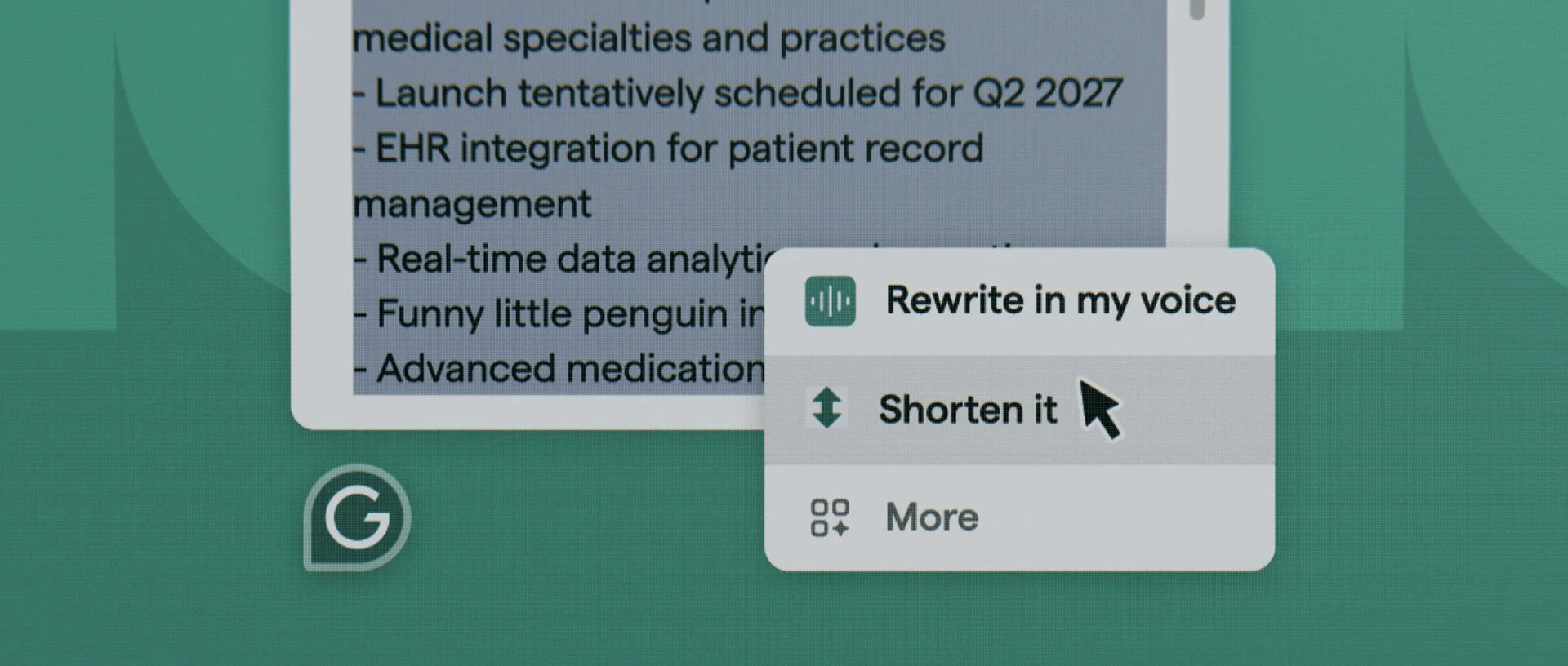
Grammarly - “Save Your Team From Endless Writing Tasks” (2024)
How to Know If Your Content Is Successful
Match metrics to intent. For awareness, track impressions, reach, and organic traffic. For engagement, track time on page, scroll depth, and clicks. For conversion, track form fills, demos, donations, and assisted revenue. For retention, track repeat purchases, upgrades, and newsletter engagement.
Key takeaways
Start small, but be consistent
Write for one clear person and one clear problem
Pick channels your audience already uses
Ship, measure, and improve
Keep the focus on ROI and outcomes, not vanity metrics
FAQ, ROI and content marketing
-
Expect early signs in 60 to 90 days for traffic and engagement. Pipeline, donations, or revenue lifts often show in 3 to 6 months, faster if you also use paid promotion and sales enablement.
-
Pick one main conversion, for example, demos or donations. ROI equals revenue from those conversions minus content costs, divided by content costs. Track assisted conversions to capture SEO and email impact.
-
Organic traffic to key pages, conversion rate on content CTAs, leads or donations per post, cost per lead or donation, and influenced pipeline or revenue.
-
Yes. SEO brings compounding organic traffic. Strong topic coverage, internal links, and technical basics increase rankings and reduce paid spend.
-
Use paid to amplify your best pieces. Promote content that maps to core goals, for example, a high intent guide or event signup page. Set daily caps and watch cost per result.
-
Start with 25 percent of your digital budget, then adjust based on cost per result and influenced revenue. Budget for creation, design, tools, and paid distribution.
-
Set goals up front, show a simple dashboard monthly, highlight two or three case studies each quarter, and tie content to pipeline or donations with clear attribution notes.
Content marketing works when it is useful, consistent, and measured. Build a simple content strategy, publish on a steady cadence, promote smart, and track what matters. Over time you will see better SEO, stronger trust, and clear ROI. Starting today.